
Sugar and skin ageing
What you need to know about glycation (and how to stop it!)
What is glycation and why it ages your skin faster?
Sugar and skin ageing. Have you ever wondered why some people seem to age faster than others, even with good skincare?
The answer may lie not just in sun tanning or genetics, but in something happening inside your body – glycation.
At Beauty Bar in Ware, Hertfordshire, we help our clients understand how internal processes like glycation affect skin health, and what you can do to keep your skin firm, radiant, and younger.
The science behind glycation, when sugar attacks your skin
Glycation is a natural biochemical process where sugar molecules, glucose or fructose, attach to proteins or fats in the body without the help of enzymes.
Over time, this forms harmful compounds known as Advanced Glycation End Products (AGEs).
These AGEs damage your collagen and elastin, the two important proteins that give your skin its bounce, strength, and keep it smooth.
Once glycated, collagen becomes stiff, brittle, and less repairable, which leads to visible signs of aging:
- Fine lines and wrinkles
- Sagging skin
- Dull or yellowish skin tone
- Rough texture and slower healing
What causes glycation?
While glycation naturally increases as we age, modern lifestyles tend to accelerate it.
High sugar diet – refined carbohydrates (white bread, pastries, sweets, and sugary drinks) flood your bloodstream with glucose, which binds to proteins and increases AGE formation.
High temperature cooking – frying, grilling, roasting, or caramelising food creates extra AGEs that your body absorbs. Healthier cooking methods, like steaming or boiling, produce fewer harmful compounds.
Oxidative stress – smoking, pollution, sun rays, and lack of sleep create free radicals that worsen glycation. Smokers, for instance, have significantly higher AGE levels and more premature wrinkles.
Chronic Inflammation – conditions such as diabetes, obesity, and long-term stress raise blood sugar and inflammatory markers, a perfect storm for glycation.
Alcohol and excessive caffeine – while moderate consumption is fine, excessive alcohol and caffeine increase dehydration and oxidative stress which accelerate glycation.


Similar skin damaging processes you should know
Glycation isn’t alone in causing premature aging. It often happens alongside other damaging processes.
- Oxidation – free radicals attack your skin’s DNA and proteins, causing inflammation and pigmentation.
- Lipid peroxidation – free radicals damage skin lipids, compromising the barrier and hydration.
- Protein cross linking – proteins stick together abnormally, leading to stiffness and loss of elasticity.
- Chronic stress response – high cortisol levels from stress degrade collagen and elastin, similar to glycation effects.
How to reduce and prevent glycation naturally
The good news? Glycation can be slowed, even reversed, with smart lifestyle changes and targeted skincare.
Control blood sugar. Focus on low glycaemic foods, leafy greens, lean proteins, whole grains, and healthy fats. Reduce processed sugars and refined carbs.
Boost antioxidants. Antioxidants help neutralise AGEs. Eat foods rich in vitamin C, vitamin E, green tea polyphenols, and resveratrol.
Topically, look for skincare containing vitamin C, niacinamide, or peptides to strengthen collagen.
Stay hydrated & protect your skin from sun light. Dehydrated skin is more prone to glycation. Drink plenty of water and always use SPF, UV rays intensify AGE formation.
Eat anti glycation food. Incorporate turmeric, cinnamon, omega 3, and dark leafy greens. These have compounds proven to reduce AGE accumulation.
Opt for steaming, boiling, or poaching instead of grilling or frying.
Less browning = fewer AGEs.
Manage stress. Stress raises cortisol and blood sugar, both linked to glycation. Practice deep breathing or gentle exercise regularly.
Professional treatments that help combat glycation
While lifestyle changes are very important, professional skin treatments can visibly repair and protect glycated skin, and improve its look.
At Beauty Bar in Hertfordshire, our advanced aesthetic treatments support collagen renewal and hydration, both extremely important in reversing glycation damage.
We recommend treatments like:
Skin boosters (e.g. Profhilo, Sunekos) deeply moisturise and stimulate new collagen and elastin.
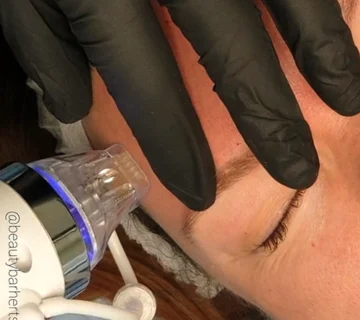
Microneedling encourages fresh collagen production and smoother skin texture.
Facials with antioxidants & peptides help neutralise free radicals and nourish glycated skin.
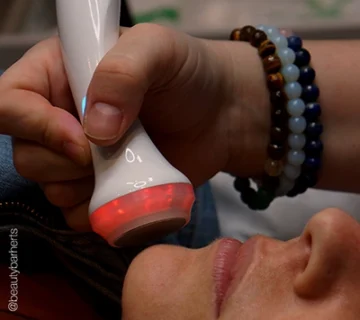
LED light therapy added after any treatment reduces inflammation and enhances cellular repair.
These treatments are safe, non-surgical, and tailored to your individual skin needs.
Glycation is one of the hidden enemies of young looking skin. By eating smart, managing stress, and investing in professional skin treatments, you can protect your collagen and keep your skin glowing longer.
Are you ready to future proof your skin? Book your consultation at Beauty Bar in Hertfordshire and let’s create a personalised anti-ageing plan that works from the inside out.