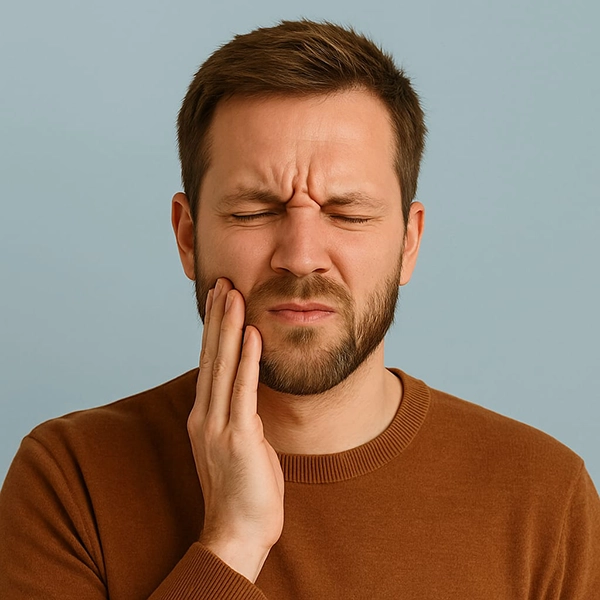
Teeth grinding Ware Hertfordshire
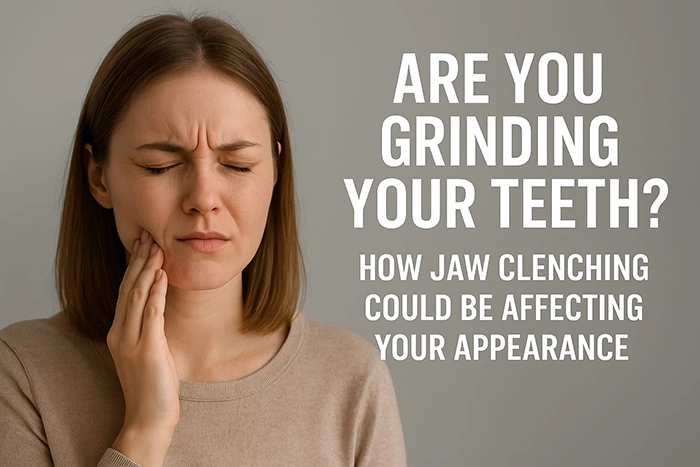
Teeth grinding Ware Hertfordshire. Are you grinding your teeth?
If you’ve ever woken up with a sore jaw, headache or tension in your neck, noticed your partner complaining about strange night noises, or realised the edges of your teeth feel flatter than they used to, you might be one of the many people in the UK dealing with teeth grinding, technically called bruxism. This isn’t just a dental issue, it can impact how you look, feel and sleep.
How teeth grinding and jaw clenching could be affecting you, and what to do about it?
What is teeth grinding (bruxism)?
Teeth grinding is an involuntary habit where the jaw muscles repeatedly clench or grind the teeth, often while you’re asleep, but sometimes during the day too. It’s not something you do on purpose, and many people don’t even realise they’re doing it until symptoms show up.
This condition can affect people of all ages, but it’s most common in adults aged between 25 and 45.
What it can lead to?
Some people think teeth grinding is harmless, but regular clenching or grinding can cause real issues for your health and look.
Wear on teeth, making them shorter, flatter or more sensitive.
Jaw, neck and facial pain, especially in the morning.
Headaches and migraines, which many sufferers don’t connect to grinding.
Ear discomfort and even balance issues.
Changes in jawline shape, especially when the masseter muscles (side jaw muscles) are overworked.
All of these can go unnoticed until the damage becomes obvious.
What causes teeth grinding?
Bruxism doesn’t have one single cause, it is a combination of several factors that can contribute:
- Stress and anxiety are often the biggest trigger.
- Sleep disturbances or poor sleep quality.
- Lifestyle factors, like drinking caffeine or alcohol.
- Muscle tension from daily life or posture issues.
- Occasionally linked with certain medications.
It’s important to understand that grinding often happens unconsciously, especially during sleep, so you might only notice it because of symptoms.
What are the symptoms?
- Waking up with a sore jaw
- Your partner mentioned hearing grinding at night
- Your teeth becoming sensitive or worn
- You get frequent headaches or neck pain
- Your jaw muscles feel tight or tired
Who does it affect?
Most often it affects people between 25 and 45 years old.
Is teeth grinding hereditary?
It is not hereditary.
What treatments can help with bruxism?
There’s no one size fits all cure, but there are some effective ways to manage it.
Stress is a big factor. Lower caffeine and alcohol before bed, and try to do relaxing things.
Mouth guards are recommend to protect teeth while you sleep.
Anti wrinkle product injected into the masseter muscle makes it weaker, and can give a relief in approximately 2 weeks. It lasts for about 6 months, then can be repeated after that time. Some people get satisfactory results after only two treatments, but often, several treatments are recommended.
How does it work for teeth grinding?
The anti wrinkle product is injected directly into the masseter muscle to temporarily block the flow of nerve impulses. Within a few days up to 2 weeks after the treatment, the teeth clenching and grinding ease off, and the symptoms associated with teeth grinding and clenching like headaches, neck pain, and back pain, also subside. Treatment takes around 15 minutes and requires no downtime.
Why choose Beauty Bar for teeth grinding treatments?
At Beauty Bar in Ware we take a holistic approach to conditions like teeth grinding, because it affects more than just your smile. We can help our clients to understand how bruxism affects your facial muscles and look, discuss treatment options, and offer advice on changes in your lifestyle.
Many of our clients from Ware, Hertford, Harlow, Bishop’s Stortford, Broxbourne, Cheshunt, Nazeing, Hoddesdon, Bengeo, Puckeridge, Standon, Buntingford, Royston, Stevenage, Welwyn Garden City, and surrounding towns and villages have found relief simply by recognising the signs early and taking proactive steps. This saves time, discomfort, and prevents potential long term damage.