
How to build collagen in skin
How to build collagen in skin for firmer, healthier results?
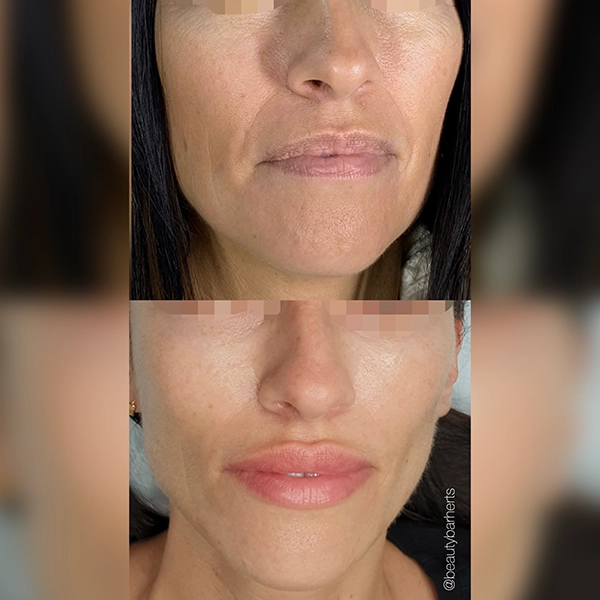
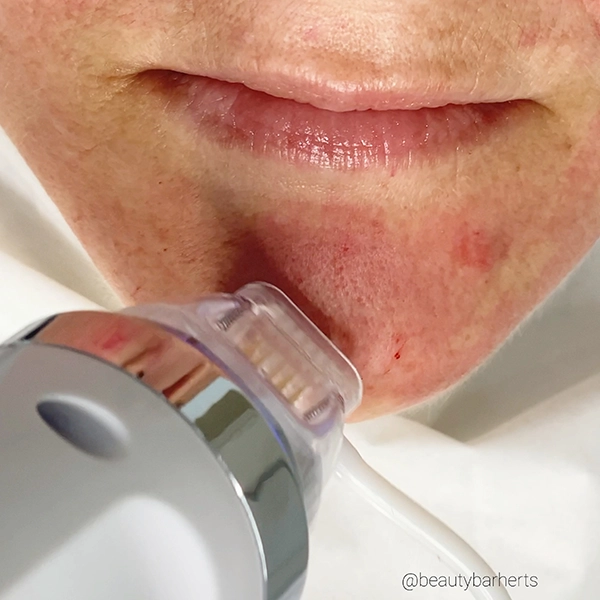
If you’re getting treatments that boost collagen, like RF microneedling, microneedling, skin boosters, or other collagen induction therapies, there’s one important thing that many people overlook. Your body needs the right building blocks to make new collagen.
Think of it like building a house. The treatment is your builder, but vitamins, minerals and amino acids are the bricks and tools. Without them, you can’t build it.
Why choose Beauty Bar salon in Ware for collagen boosting treatments?
At Beauty Bar we focus on your skin’s health, not just quick fixes. We educate our clients, so you know how to support results at home. We understand that beautiful skin is achieved over time, not rushed, and that the best results come from combining advanced treatments with smart aftercare and internal support.
Collagen FAQs
What is collagen and elastin?
Collagen is the main protein that keeps your skin firm, smooth and strong. It gives skin its structure.
Elastin is what gives skin its bounce, the ability to stretch and snap back.
From our mid 20s, collagen production naturally slows down. Then add stress, tanning, poor sleep, smoking and poor eating habits, and collagen breakdown speeds up even more. That is when skin starts to look thinner, dull get wrinkles and starts sagging.
Collagen induction treatments work by stimulating your skin to make new collagen and elastin, but your body still has to do the actual work.
Why supplements are important during collagen boosting treatments?
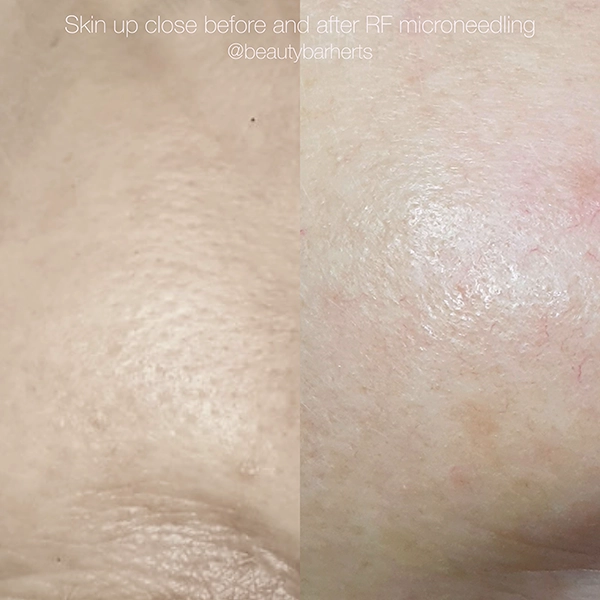
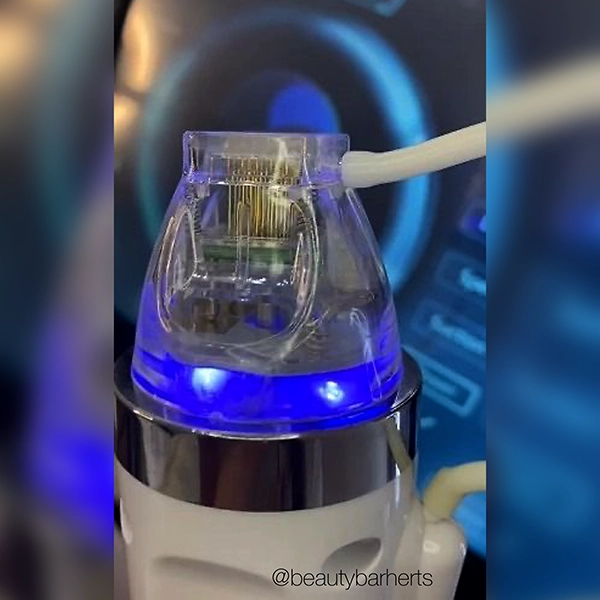
Treatments like RF microneedling, and microneedling stimulate skin to produce collagen. This signals your body to start repair and rebuild.
But your body can’t build collagen if it doesn’t have the raw materials.
If you’re low in certain nutrients, your skin may heal slower and collagen production will be weaker.
What nutrients support collagen production?
- Vitamin C is a must for collagen production. It helps your body turn amino acids into collagen fibres. Without enough vitamin C, collagen formation is weak, even if you’re doing great treatments.
- Protein and amino acids. Collagen is made from amino acids, especially glycine, proline, hydroxyproline.
- Zinc supports wound healing and tissue repair.
- Copper helps activate enzymes that strengthen collagen and elastin fibres. It also supports skin firmness and elasticity.
- Vitamin A supports skin cell turnover and helps regulate collagen production. It plays a role in how your skin repairs itself after treatments.
- Silica supports collagen structure and skin strength. It’s often overlooked but helpful for skin, hair and nails.
- Omega 3 fatty acids don’t build collagen directly, but they reduce inflammation and support healthy skin healing.
Are Collagen supplements helpful?
Collagen supplements don’t magically turn into collagen in your face, but they provide amino acids your body can use. When combined with vitamin C and a good diet, they can support collagen production over time. They work best as part of a bigger picture, not alone.
Do I need supplements to get results?
Not always, but if your diet is low in important nutrients, supplements can help you get results.
When should I start supplementing?
Ideally 2-4 weeks before treatment and continue for several weeks after.
Can I just use skincare instead?
Topical skincare helps to keep skin moisturised but collagen is made inside your body, so you need both.
How long before I see results?
Collagen production takes time. Most people see gradual improvement over weeks to months. Healing and collagen formation happen after each treatment, not just on the day of your treatment.
What happens when I take collagen?
Most collagen supplements are hydrolysed collagen, also called collagen peptides. This means the collagen protein has already been broken down into smaller pieces.
When you ingest collagen, your digestive system breaks it down further into amino acids and small peptides. These are absorbed into the bloodstream. Your body then uses them wherever they’re needed, including the skin.
You are not sending collagen straight to your face. Instead, you’re giving your body the building blocks it uses to make its own collagen. Some of these collagen peptides may also act as signals, encouraging skin cells (fibroblasts) to increase collagen production.
Is marine collagen better?
Marine collagen (from fish) is often marketed as better, and there is some science behind that claim.
Marine collagen is usually broken down into smaller peptides. It may be absorbed slightly more efficiently. It contains the amino acids used in skin collagen.
All high quality hydrolysed collagen, marine or bovine, contains the same core amino acids (glycine, proline and hydroxyproline).
The most important factors are that it’s hydrolysed, taken consistently, it’s combined with the right supporting nutrients. Marine collagen may have a small advantage, but it’s not magic on its own.
Collagen supplement vs collagen building nutrients
This is where people often get confused.
Collagen supplements give the raw materials (amino acids and peptides).
Collagen building nutrients help your body build collagen properly. Without these, collagen production is limited, even if you take collagen peptides.
Book your collagen boosting treatments at Beauty Bar in Ware Hertfordshire
At Beauty Bar we welcome clients from Hertfordshire and local towns and villages like Ware, Hertford, Hoddesdon, Nazeing, Bengeo, Hatfield, Broxbourne, Cheshunt, Puckeridge, Buntingford, Royston, Welwyn Garden City, Harlow and Stevenage.
If you want to learn more about how to build collagen in your skin, book an appointment for one of our collagen induction treatments today.